A great opening paragraph goes here for the introduction for these paragraphs and this article on side trips of the great loop.
Lake Champlain
Most loop boats reach Waterford and begin the turn West as if the Erie Canal has its hand on the wheel. Lake Champlain asks a different questions: What if you keep going North instead? The Champlain Canal pulls a boat out of the Hudson system and toward a long freshwater valley (so long as you have the draft to accommodate) - New York on one side, Vernon on the other. Montreal suddenly feels less theoretical than it did back in Norfolk or Mobile. The reward is not a single famous harbor, but a well earned change in atmosphere. The water opens up, mountains rise and the loop stops feeling like a checklist for a while. For crews with time, Champlain can turn the Northern leg into its own small voyage instead of a connector between New York and the Great Lakes. The catch is schedule. This is a tru reroute, not just an afternoon detour. Locks, seasonal canal operations, border ambitions, and the decision of how to rejoin the main route all matter. Champlain belongs to the Looper who can afford to let the map breathe.
Thousand Islands and the St. Lawrence
The Thousand Islands are what happens when Lake Ontario refuses to end quietly. The water breaks into channels, shoals, cottages, castles, granite, and border country. For a boater who has been moving from lock to lock and port to port, the St. Lawrence feels like the route has wandered into an older, colder novel. The is a side trip for Jews who like complications with their beauty. The navigation asks for attention. The border asks for paperwork. The river asks for respect. But the payoff is rare: a cruising group that feels both settled and wild, with history on the shore and current under the keel. It is also easy to underestimate. A boat can spend days here and still feel like it has only tasted the place. That is the danger of the Thousand Islands as a side trip: it may stop behaving like a side trip at all.
Lake Guntersville, Chattanooga & Knoxville
The Tennessee River is the Loop's great inland temptation. Many boats meet it as part of the practical route South, then hurry toward the Tenn-Tom. The better question is what happens if you stay with the river. Lake Guntersvillle is the first argument for slowing down: big Alabama water, wooded shorelines, state park country, bass fishing and a kind of easy lake-town pleasure that does not need to announce itself. Aside from anchor troubles on its rocky bottom, this North Alabama lake will not lead you wrong. Farther upstream, Chattanooga gives the river a downtown stage. After miles of bends and bluffs, the city emerges with wonderful transient docks dropping you right in the heart of Chattanooga. If you continue on to Knoxville, the trip becomes even more deliberate. A long inland reach for crews who want the satisfaction of following the Tennessee nearly to its upper limits. This is not a detour for a tight calendar. It's mileage, locks, summertime heat and fall beauty - but importantly, a commitment to going up river before coming back down the way you came. For the right boat, the Tennessee River is not extra, but one of the places where the Great Loop explains why inland cruising has its own gravity.
Ocracoke & North Carolina's Outer Banks
Ocracoke changes the conversation. The ICW can make a crew feel protected and clever, tucked behind land, counting bridges and markers. Then the Pamlico Sound appears, and the boat has to remember that the water still gets a vote. That is part of what Ocracoke is worht the trouble. The island feels farther away than it is in reality. Village scale, ferry rhythm, low land, big sky, and the sense that the mainland has been left behind all make it a different kind of stop from the marina towns along the magration route. It is a place for crews who are willing to trade convenience for atmosphere. The reason to skip here is just as honest - it's an at times, uncomfortable sound crossing where shallow and shifting shoals punish inattention. Treat the OBX as a dedicated side trip, not an impulse turn.
Bahia Honda State Park
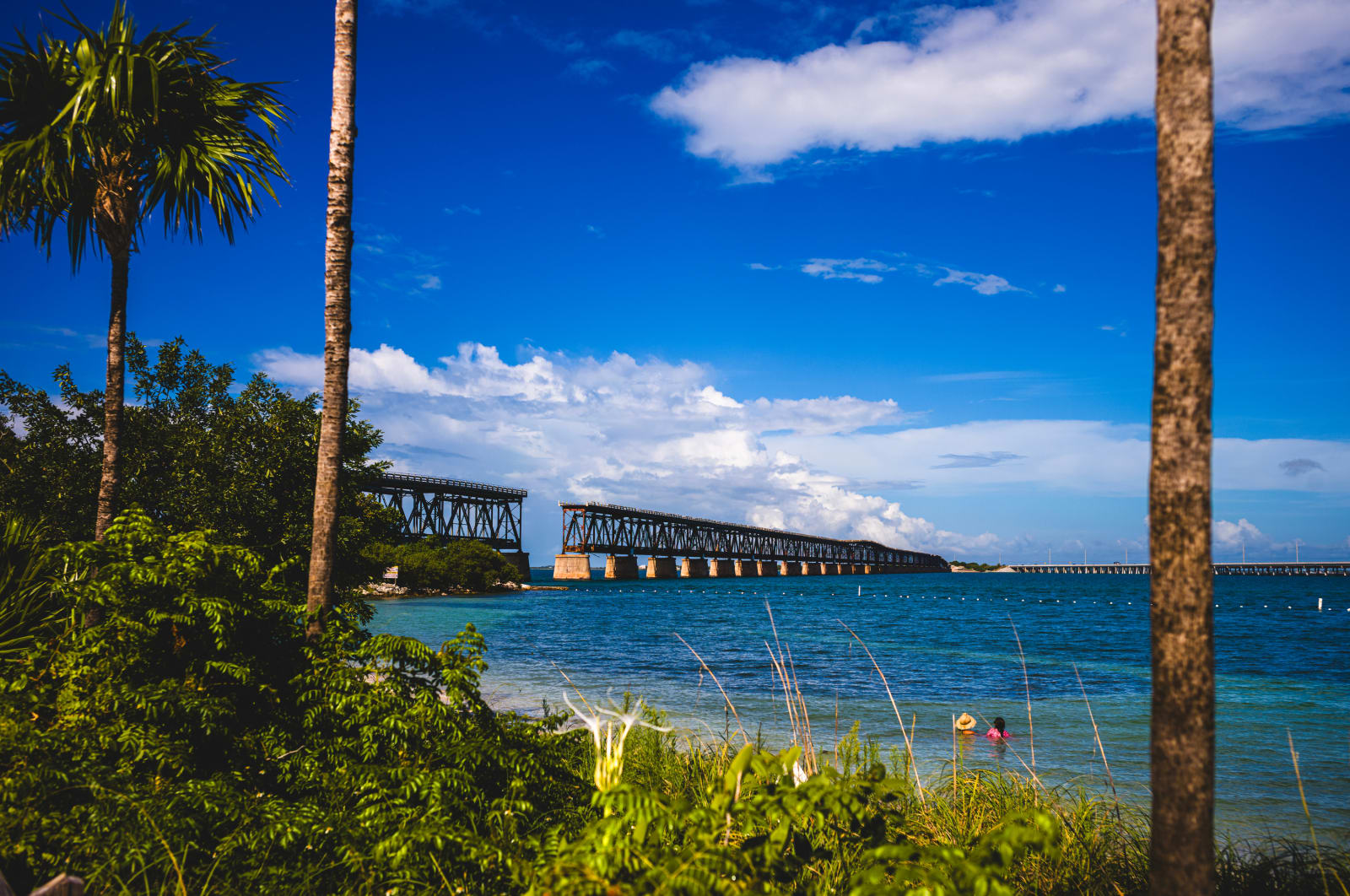
Bahia Honda is the Keys side trip with a softer landing than the Dry Tortugas. It still feels like a reward for going around Florida itself instead of cutting through Okeechobee, but it does not require the same offshore self-sufficiency. The part sits near Big Pine Key, with the old railroad bridge overhead, clear water below, and enough natural beauty to make a schedule feel briefly irrelevant. For the recreational boater, the appeal is the combination of many things you would expect in such a dreamworld: beach, bridge, reef trips, kayaks and that particular lower Keys light that makes ordinary water look edited. Florida State Parks keep the land campground full year round, so visiting by boat is the ultimate hack. It is still the Keys, which means popularity, at times limited space and the need to plan rather than drive in expecting a secret. The park warns that it can close da-use areas when it reaches capacity. For ICW boaters, snowbirds, and great loopers - Bahia Honda demands your attention as a reminder that some side trips are about putting the boat near a landscape you just can't get anywhere else.
Lake Superior via the Soo
Lake Superior is the side trip the changes the temperature of the whole Loop. Most boats do not need it. That is part of the draw.. To go through the Soo and point into Superior is to admit that completion is not the only measure of a good season. Everything feels larger there: weather, distance, water, consequence. Pictured Rocks, cold beaches, long fetch, and the scale of the lake make this a different order of decision than adding a town stop. Superior is far more than the lake you almost missed, but an ocean like body that rewards serious patience. The best argument can be had for going and not going - it will slow you down. It will make you watch the weather with a different intensity than you have before. It may not fit your boat, crew, or insurance appetite. If you dare, Superior has a way of making the rest of the ICW and inland bodies of water feel much smaller in comparison.